

For many retail, furniture, appliance, and e-commerce businesses in Singapore, delivery is no longer just an operational function — it has become a key part of the customer experience.
Customers expect fast, reliable, and professional delivery, especially for large purchases such as sofas, mattresses, refrigerators, and other bulky goods. Traditionally, companies have maintained their own delivery fleets to keep control over service quality.
But in recent years, more businesses have started reconsidering this approach.
With rising operational costs, labour constraints, and fluctuating demand, many companies are now evaluating whether it makes more sense to outsource delivery fleets in Singapore instead of maintaining them internally.
This article explores the true cost of owning a delivery fleet, the ongoing debate around 3PL vs in-house logistics, and how working with an experienced last-mile logistics partner can offer a more scalable and cost-effective solution.


The hidden costs of running an In-house delivery fleet
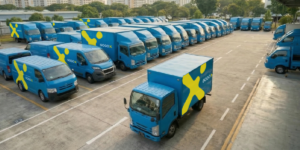

At first glance, operating an in-house fleet may appear straightforward — purchase vehicles, hire drivers, and schedule deliveries.
In reality, the total cost of fleet ownership extends far beyond these basics, especially in Singapore’s highly regulated and cost-intensive environment.
Vehicle ownership and Singapore-specific costs
Owning delivery vehicles in Singapore comes with significantly higher costs compared to other markets.
Beyond the vehicle purchase price, businesses must account for:
– COE (Certificate of Entitlement) — a major upfront cost that can fluctuate significantly
– ERP (Electronic Road Pricing) — daily operational costs depending on routes and timing
– Vehicle depreciation
– Maintenance and repairs
– Fuel expenses
– Road tax and inspections
– Parking and storage constraints in dense urban areas
– Downtime during servicing
These costs remain fixed regardless of delivery volume, making it difficult to optimise during slower periods.
Driver hiring, absenteeism and turnover
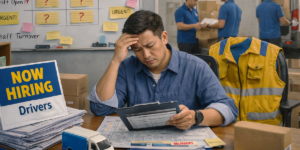
Driver management is one of the most operationally complex aspects of fleet ownership in Singapore.
Businesses must manage:
– Recruitment and onboarding
– Scheduling and dispatch planning
– Sick leave and absenteeism
– Annual leave coverage
– Staff turnover and retraining
Additionally, foreign worker quotas and labour regulations can limit hiring flexibility, making it harder to scale delivery teams quickly.
Unexpected driver shortages often result in delayed deliveries, rescheduling, and poor customer experience.
Insurance and risk management
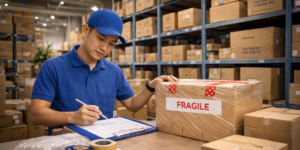
Operating a fleet introduces multiple layers of risk. Businesses must manage:
– Commercial vehicle insurance
– Goods-in-transit coverage
– Employer liability insurance
For appliance delivery logistics and bulky goods, the financial risk is higher due to item value, handling complexity, and potential damage during transport or installation.
Logistics technology and operational infrastructure
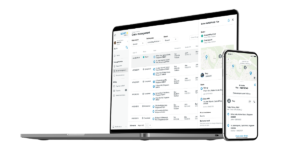
Modern delivery operations require more than vehicles and drivers.
Businesses must invest in systems for:
– Route planning and optimisation
– Delivery scheduling
– Real-time tracking
– Customer notifications
– Proof-of-delivery documentation
While these systems improve efficiency, they add additional cost and require ongoing maintenance, integration, and operational oversight.
3PL vs In-house logistics: The scalability challenge
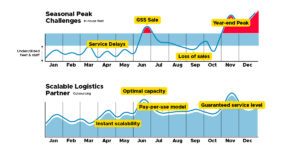
When comparing 3PL vs in-house logistics, the biggest limitation of in-house fleets is scalability.
Delivery demand is rarely consistent. Businesses often face:
– Seasonal spikes (e.g. festive periods, mega sales)
– Promotional surges
– Expansion into bulky or high-value product categories
– Sudden increases in online orders
An in-house fleet operates with fixed capacity:
– During peak periods → insufficient capacity
– During off-peak → underutilised resources
This imbalance leads to inefficiencies, higher cost per delivery, and operational strain.
How to calculate your true logistics costs in Singapore
For businesses evaluating logistics outsourcing costs, it’s important to look beyond surface-level expenses.
Here’s a simple framework to assess your total cost of ownership (TCO):
1. Fixed Costs
– Vehicle purchase + COE
– Insurance
– Driver salaries and benefits
– Parking and warehousing
2. Variable Costs
– Fuel
– ERP charges
– Maintenance and repairs
– Overtime wages
3. Hidden Costs
– Failed deliveries and rescheduling
– Downtime due to vehicle servicing
– Driver absenteeism
– Customer service recovery costs
4. Opportunity Costs
– Management time spent on fleet operations
– Inability to scale quickly during demand spikes
– Lost revenue from missed or delayed deliveries
When these are combined, many businesses realise that in-house fleets are significantly more expensive than initially estimated.
Why more businesses are choosing to outsource delivery fleets in Singapore
To address these challenges, many companies are turning to third-party logistics (3PL) partners for last-mile delivery operations.
Choosing to outsource delivery fleets in Singapore allows businesses to scale their logistics capacity without the burden of managing fleet infrastructure.
Reduced operational overheads
Outsourcing removes fixed costs such as:
– Vehicle ownership and maintenance
– Driver payroll management
– Insurance administration
– Dispatch operations
Businesses pay only for the delivery capacity they use.
Flexible delivery capacity
Demand fluctuations are common across industries such as:
– Furniture retail
– Appliance distribution
– Consumer electronics
– Marketplace and e-commerce platforms
Working with a logistics partner allows businesses to quickly scale delivery capacity during peak demand without expanding their internal fleet.
Faster operational expansion

Building an in-house fleet can take months.
With a 3PL partner, businesses can deploy delivery capacity almost immediately — without vehicle purchases or hiring delays.
How GoGoX supports scalable Last-mile logistics
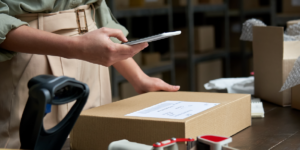
As businesses scale, many choose a logistics partner that can operate as an extension of their delivery infrastructure.
GoGoX supports businesses across Singapore — including furniture retailers, appliance brands, and large-item e-commerce platforms — with flexible, scalable last-mile logistics solutions.
Customised Fleet Solutions
GoGoX provides access to vans and lorries tailored for bulky and high-value deliveries, with the flexibility to scale based on demand.
Dedicated delivery capacity
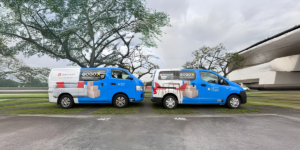
For recurring operations, businesses can secure dedicated fleet support to maintain consistency while avoiding the cost of ownership.
Support for bulky goods and appliance delivery logistics

Delivery teams are experienced in handling furniture, appliances, and large items — helping businesses maintain service standards across complex deliveries.
Operational flexibility for growing businesses
By working with a last-mile logistics partner, companies can expand their delivery capabilities without the complexity of managing a growing fleet.
This flexibility is particularly valuable for businesses that:
– Experience seasonal spikes in delivery demand
– Expand into bulky product categories
– Need additional fleet capacity during promotions or sales events
Beyond delivery: Enabling White-glove logistics experience
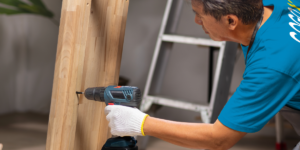
As delivery expectations continue to rise, logistics is no longer just about transportation.
Customers purchasing high-value or bulky items increasingly expect premium delivery experiences, particularly for furniture, appliances, and large electronics.
These expectations often include:
– Scheduled delivery windows
– Professional handling of bulky items
– Trained delivery teams
– Optional installation, assembly, or disposal services
Providing these services consistently with an in-house fleet can be difficult to scale.
Working with a dedicated last-mile logistics partner allows businesses to introduce higher-service delivery offerings — such as white-glove delivery, where items are delivered, positioned, and prepared for immediate use in the customer’s home.
Looking to scale your delivery operations?
If your business is evaluating whether to outsource your delivery fleet in Singapore, working with an experienced last-mile logistics partner can help reduce operational complexity while maintaining high service standards.
GoGoX supports businesses as an extension of their delivery operations — offering flexible fleet capacity, trained delivery teams, and scalable solutions for bulky goods and appliance deliveries.
Whether you’re looking to expand delivery coverage, support peak demand, or introduce white-glove services, our team can help design a logistics solution tailored to your needs.